
Forgiveness is one of those words that sounds gentle… until it comes with a real memory and, usually, a painful one. A comment that stayed with you. A betrayal that broke your trust. An injustice that still tightens your chest when it comes back to mind.
As I walk with Jesus, I’m learning something about myself: many times I wish forgiveness were simple, quick, clean. But the forgiveness Jesus offers—and the forgiveness He teaches us to live—usually takes us down a path of honesty, prayer, and patience.
Sometimes forgiveness feels out of reach
When someone hurts us, our hearts often react before our minds do:
We want them to pay, or at least an apology that feels “enough” and “acceptable.”
We create distance so we won’t get hurt again.
We reach for control, trying to win the story and have the last word.
Sometimes we punish quietly: coldness, sarcasm, silence.
Jesus does not minimize pain. He knows what evil can do to a person. And at the most unjust moment, when He was nailed to a cross, He prays:
“Father, forgive them; for they know not what they do.” (Luke 23:34)
That prayer shows us the heart of God in the middle of suffering: a God who loves and has mercy.
Jesus on the cross marks a new beginning
Scripture says sin is real. It turns us inward. It breaks trust. It separates us from God and from one another.
“For all have sinned…” (Romans 3:23) “Being justified freely by his grace through the redemption that is in Christ Jesus.” (Romans 3:24)
So forgiveness isn’t only “feeling better” about what happened, or saying “it’s in the past” while hoping time will heal it without any real action. Forgiveness is God doing for us what we could never do by sheer willpower: restoring a relationship we could never repair on our own.
Paul puts it this way:
“God… hath reconciled us to himself by Jesus Christ… and hath given to us the ministry of reconciliation.” (2 Corinthians 5:18)
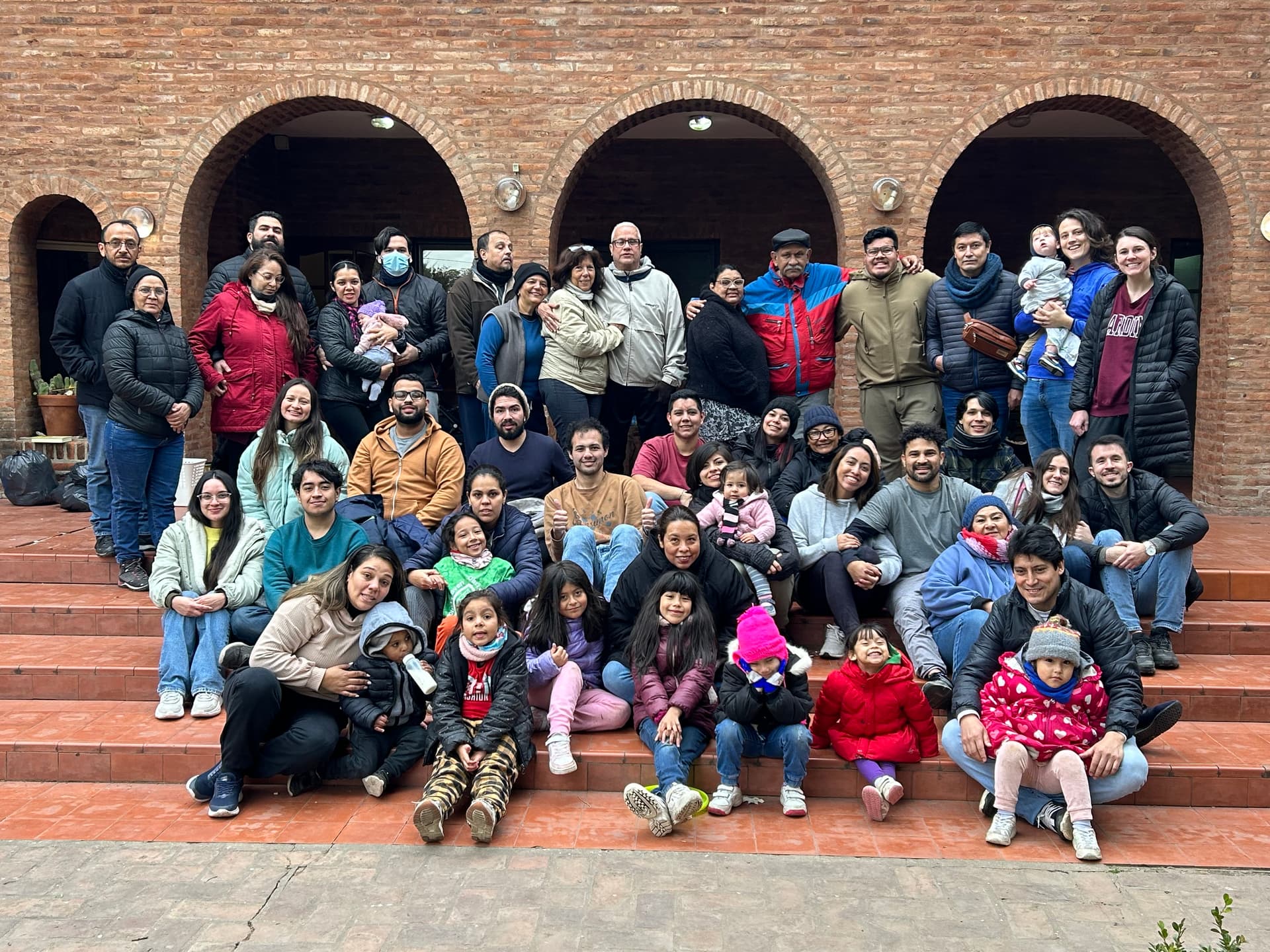
This fits our mission as a church. Forgiven people become witnesses. A redeemed community becomes a place where mercy is practiced, unity is protected, and service becomes natural.
Receiving forgiveness
Many people live with guilt or shame, even if they look strong on the outside. And many believers quietly carry the fear that God has grown tired of them. Yes—I’ve heard this through the years in ministry: conviction mixed with pain, and sometimes a deep sense of being abandoned.
Jesus’ invitation is different. He does not force; He calls.
“Come unto me, all ye that labour and are heavy laden, and I will give you rest.” (Matthew 11:28)
Here is a simple way to receive forgiveness without making it either shallow or complicated. I don’t think there is one perfect, automatic formula, but I can share a few ordered thoughts as a guide:
1. Tell the truth before God
Take time without interruptions. Pray, and bring the real story into the light. Questions that can help: What happened? What did you do? What were you looking for? What were you afraid of?
Remember: God welcomes honesty.
2. Confess without excuses
Confession is not self-hatred. It’s agreeing with God about what is true, so healing can begin.
“If we confess our sins, he is faithful and just to forgive us our sins…” (1 John 1:9)
3. Trust Christ more than your own effort
Some of us try to “earn” relief by promising we will change for real this time. But forgiveness rests on what Jesus has already done. When we receive it, we can finally breathe.
If you’re searching for God, open your heart sincerely. And if you’ve followed Jesus for years, it’s never too late to be honest with Him and let His forgiveness hold you again.
Learning to forgive in community
A church that speaks about grace but cannot forgive becomes a stage. But a church that forgives becomes a living, powerful message—especially for those who are not part of the community, but are watching how people forgive each other.
Paul says it clearly:
“Forgiving one another, even as God for Christ’s sake hath forgiven you.” (Ephesians 4:32)
And in Colossians he repeats the same call:
“Even as Christ forgave you, so also do ye.” (Colossians 3:13)
I’m learning that forgiving often begins with a decision deep in the heart: to stop replaying the offense again and again as if my anger and pain could rewrite the past. I can pursue truth and justice, but I don’t need revenge to survive.
Forgiveness, reconciliation, and wise boundaries
Forgiving and trusting are not the same. Relationships are rebuilt with truth, time, and fruit.
To forgive: release the right to revenge and place the case in God’s hands.
To reconcile: rebuild the relationship slowly, step by step.
To trust: let confidence grow as a new pattern becomes visible over time.
In cases of abuse, manipulation, or danger, forgiveness does not require you to return to harm. You can forgive and still set firm boundaries, seek pastoral support, receive professional help, and involve local authorities when appropriate.
What can I do to forgive?
That’s not a question you can answer with one sentence that tries to explain everything. But we can practice forgiveness, and here are some concrete steps:
Pray slowly, especially Matthew 6:12: “Forgive us… as we forgive…”
Name the wound in simple words: what happened, and what did it cost you?
Identify the “debt” you’re waiting for them to pay (apology, repair, recognition).
Hand revenge over to God in prayer. Ask for justice and mercy, and ask for a clean heart.
Some practical actions:
a message without accusations,
a calm conversation,
asking forgiveness if you also failed,
or beginning by praying for that person even when it’s hard.
Serve someone this week as an act of freedom. Service can soften bitterness and align us with the way of Jesus.
And if you feel stuck, don’t carry it alone. Bring it to the community. Forgiveness grows best when we walk together.
Let us pray
Jesus, thank you for forgiving me when I had no way to repay my debt. Teach me to live honestly before you—without hiding and without pretending. Give me courage to speak the truth, humility to confess, and grace to forgive. Make our church a place of mercy, unity, and a clear witness of your love. Amen.
I’ll close with this strong line from the German theologian Dietrich Bonhoeffer:
“Cheap grace is the preaching of forgiveness without requiring repentance.” — Dietrich Bonhoeffer, The Cost of Discipleship
Grace and peace.